Commercial Sealcoating in Columbus, Ohio
Bruck Construction sealcoats commercial parking lots and drives in Columbus and central Ohio. We clean the surface, fill cracks, treat oil spots and apply sealer in phases that keep your business open. You get a fast written quote, and the work is guaranteed for one year.
- Since 1984
- 4.7 on Google (70 reviews)
- A+ BBB rating
- Free estimates
- 1-year guarantee
Quick facts
| Who it is for | property managers, businesses and churches |
|---|---|
| Typical timeline | Usually one to two days per lot, plus cure time |
| Typical lifespan | A coat typically lasts a few years, and lots are resealed on a schedule |
| Best season | Late spring through early fall, in dry weather above 50 degrees and rising |
| Guarantee | 1-year guarantee on all asphalt and concrete work |
| Service area | Columbus and central Ohio |
| Estimates | Free, in writing |
Signs you need it
- Gray, oxidized asphalt that has lost its black color
- Hairline cracks across drive lanes
- Raveling where traffic turns
- Oil and fuel stains in parking stalls
- Pavement is sound but several years since the last seal
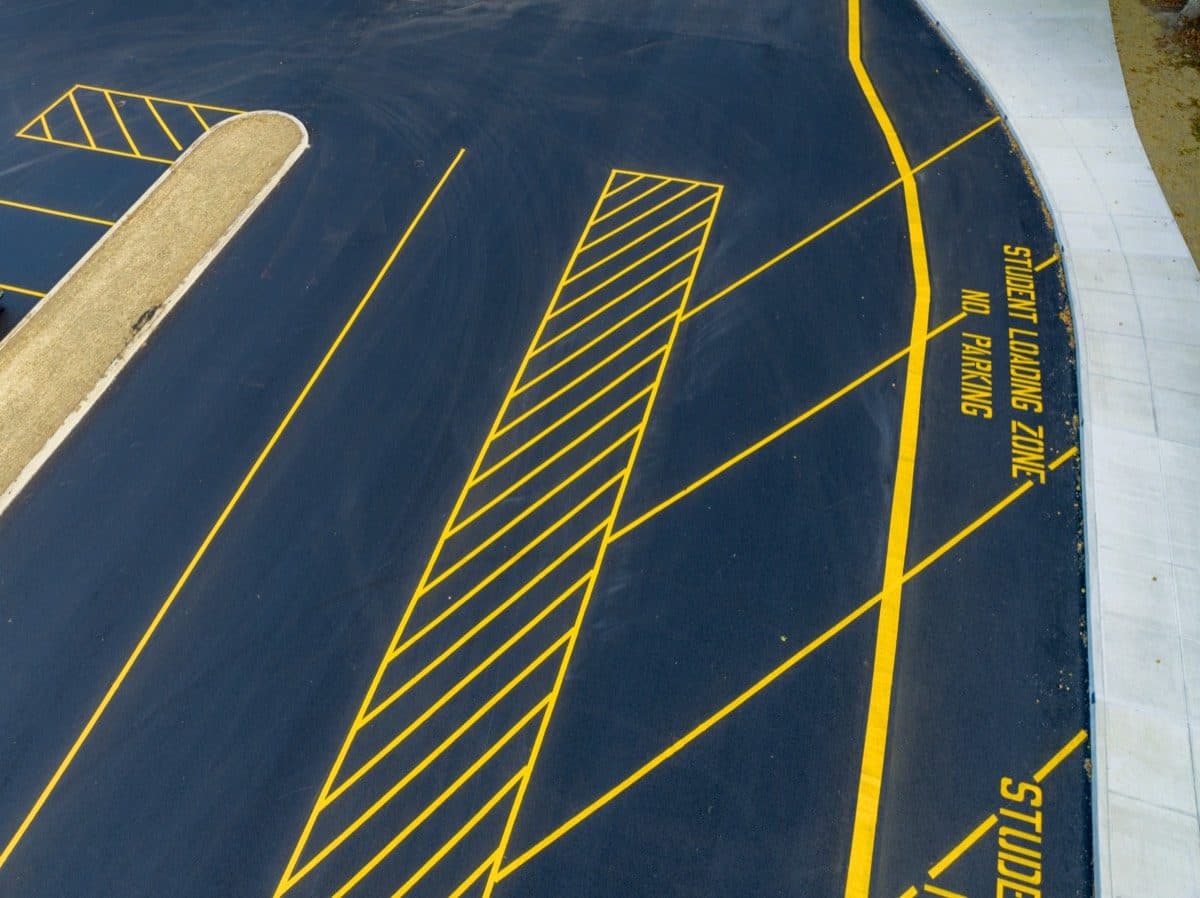
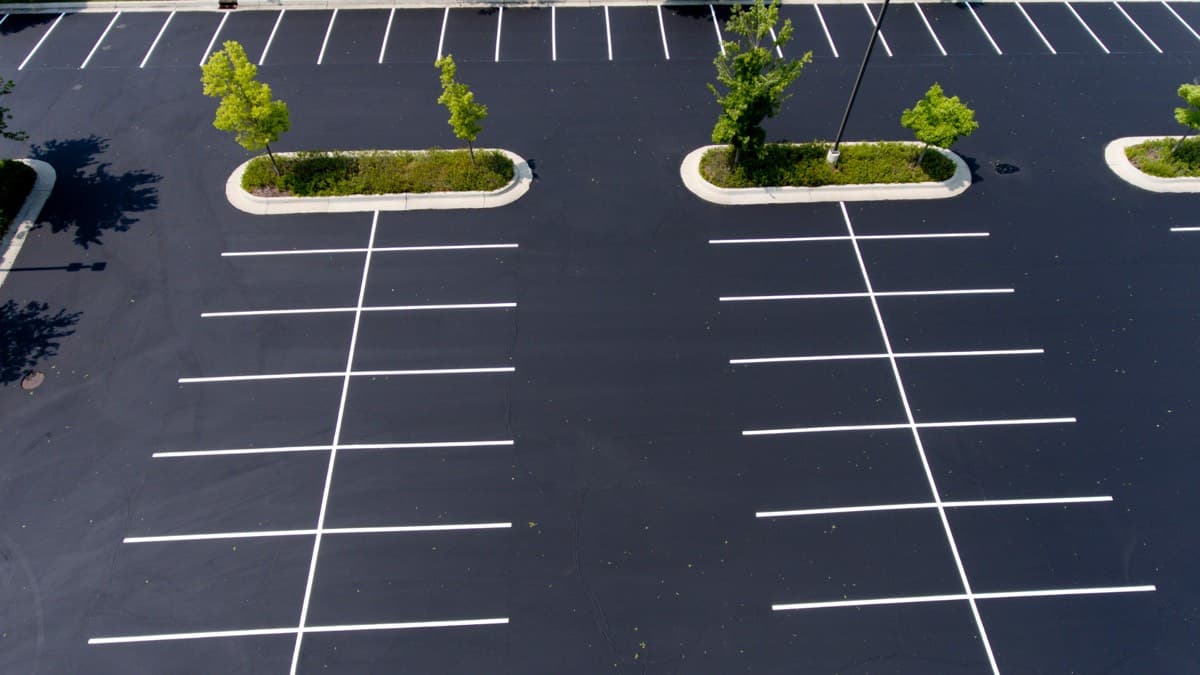
- Striping is faded and the lot is due for a refresh
Our process
- We walk the lot, measure and check the surface. Sealing only makes sense on sound asphalt.
- We clean the surface and prime oil spots.
- We fill cracks with hot or cold sealant.
- We apply sealer evenly, in phases so entrances stay open, with cones and barricades.
- We re-stripe once the sealer cures and give you reopening times.
Options and materials
Coal-tar vs asphalt-emulsion sealer
Coal-tar sealers are dense, fuel-resistant and cost-effective, but some jurisdictions restrict them. Asphalt-emulsion sealers have lower odor and are accepted more widely. Ask which one is on your quote. Bruck uses coal-tar or asphalt-emulsion sealer depending on the property, and we recommend one in your written estimate.
One coat vs two coats
One coat refreshes a lot in good shape. Two coats suit older or more worn pavement and high-traffic lanes.
Sand loading
Sand added to the sealer helps traction and wear. It is a choice we discuss based on your lot.
Crack sealing first
Cracks are filled before sealing so water stays out of the base.
Cure times
Sealed areas stay closed until firm. This is usually a day or more, depending on temperature, humidity and coat thickness. We plan phasing so your tenants and customers have access.
Striping after
We stripe after the sealer cures, so lines are crisp and last.
What moves the price
Every job is priced after we see it. These are the factors that change the number:
- Total square footage
- Crack sealing and oil-spot priming needed
- One coat or two
- Sand loading
- Striping and stall layout
- Phasing, night or weekend work
- Weather and schedule
We measure, then put the scope, materials and price in a written estimate. Estimates are free.
Recent project
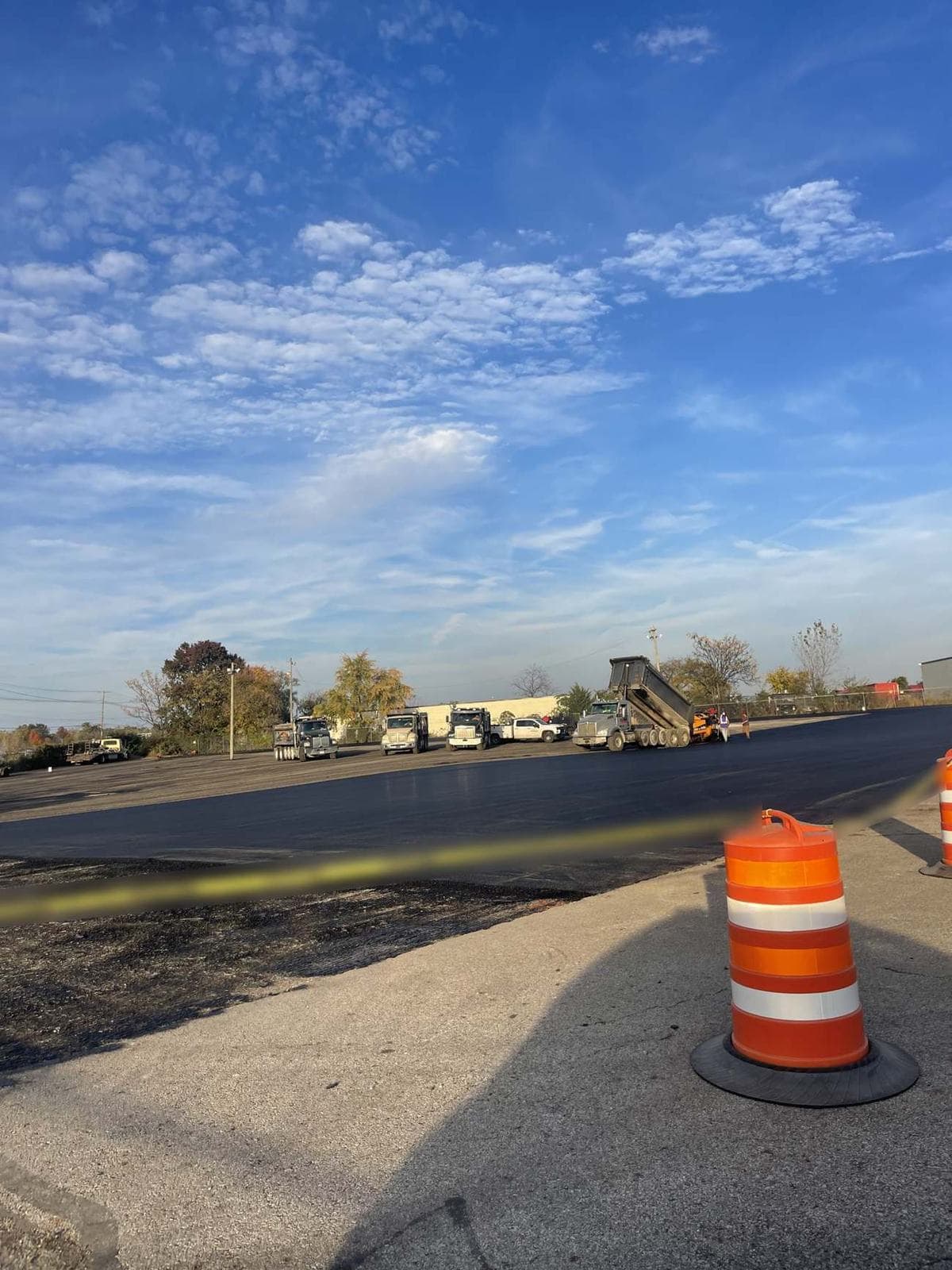
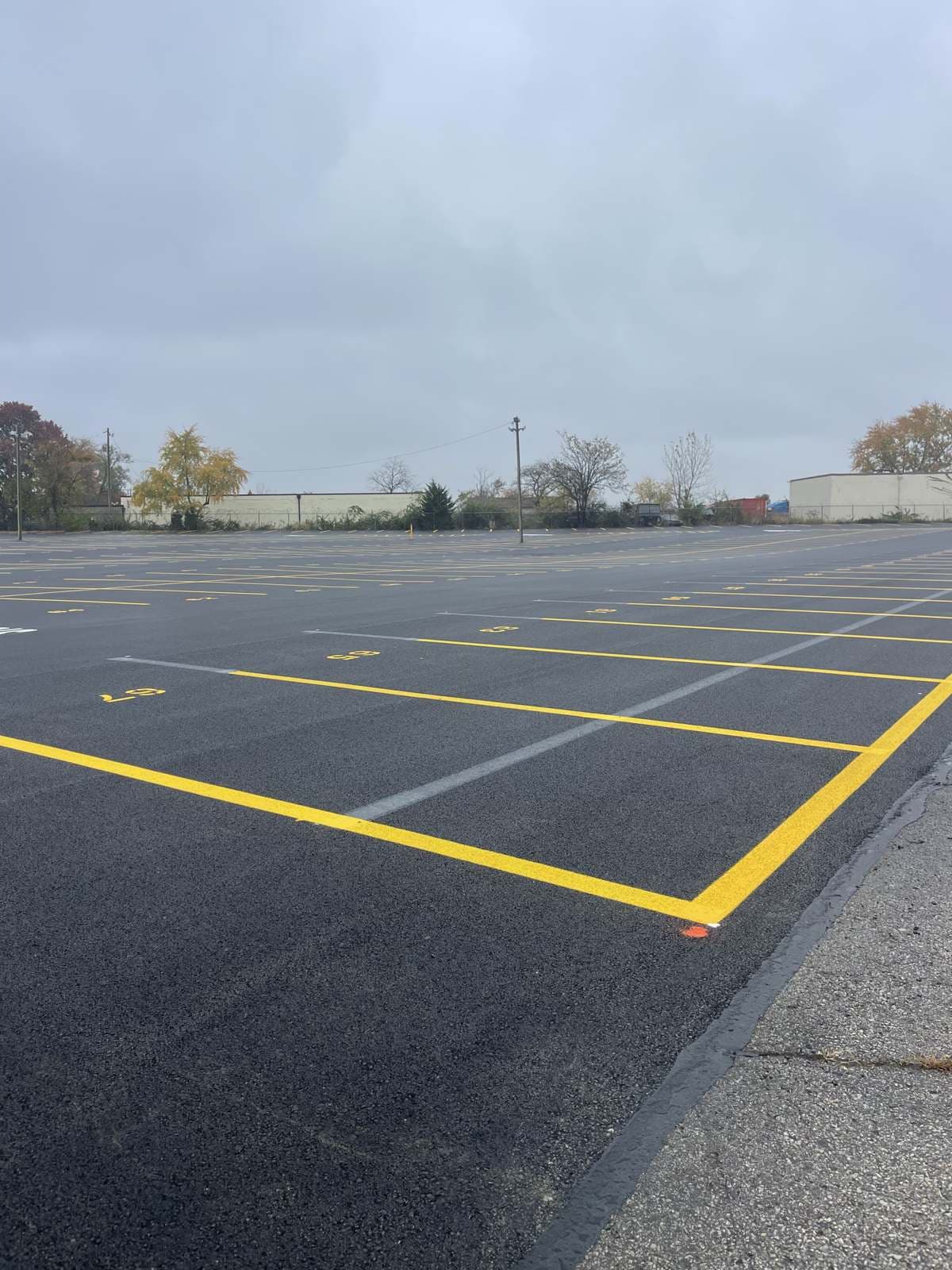
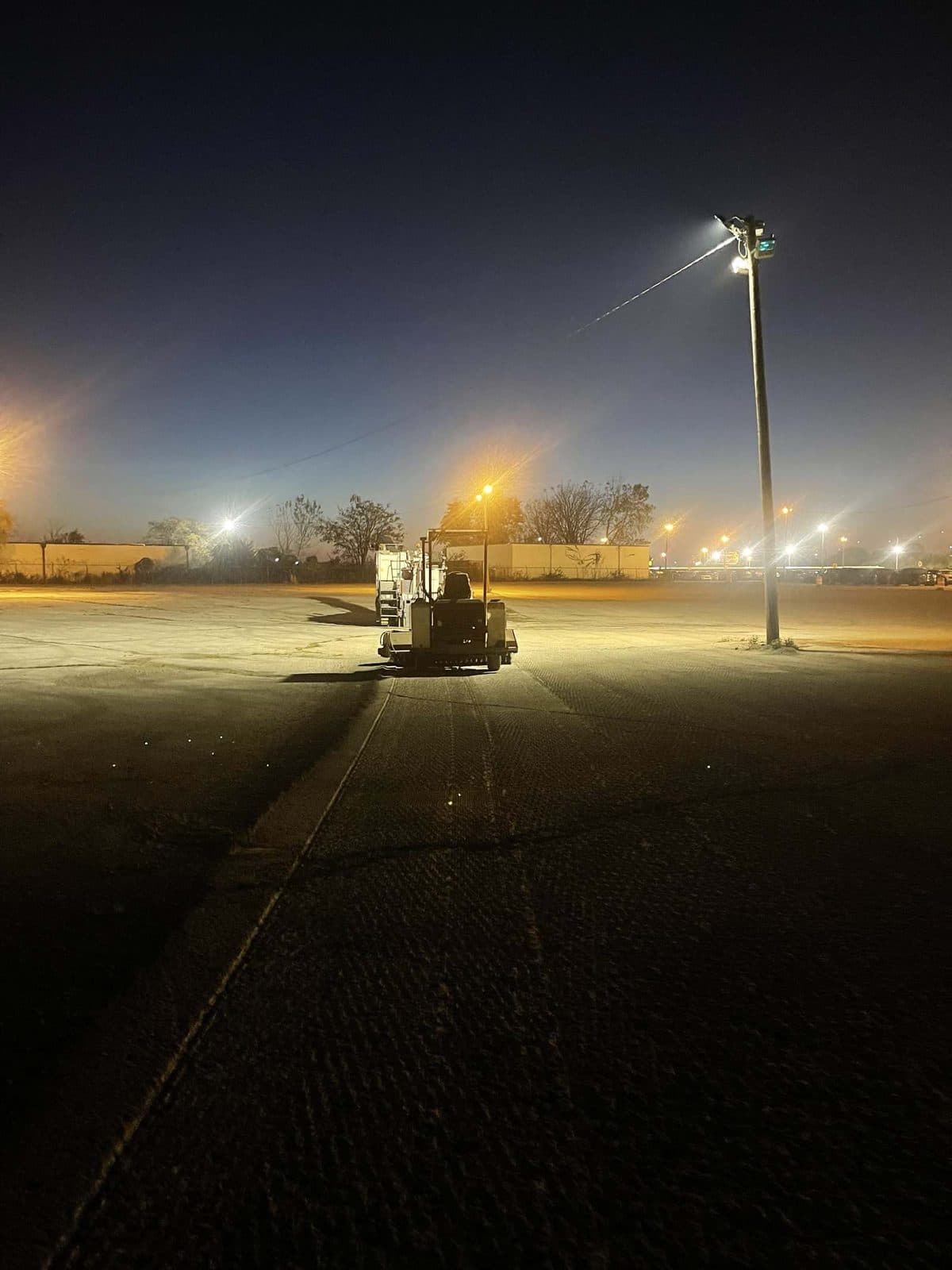
“Joe helped my dental office repair some potholes and issues in our parking lot. The repair job was fantastic and we are very happy with all of our interactions with this company. I plan on using them in the future.”
Frequently asked questions
How often should a commercial lot be sealcoated?
Many lots are sealed every few years, depending on traffic and condition. We can look at yours and give a schedule.
Can you sealcoat while my business stays open?
Yes. We work in phases with barricades and tell you when each section reopens.
How long until customers can drive on it?
Usually a day or more depending on weather and coat thickness. We confirm with you before work starts.
Does sealcoating fix a failing lot?
No. If you have alligator cracking, potholes or ponding, repair or paving comes first. We will tell you what we see.
Do you stripe after sealing?
Yes. We re-stripe the lot after the sealer cures.
Is coal-tar or asphalt-emulsion sealer better?
Each has trade-offs in cost, fuel resistance, odor and local rules. We recommend one on your quote.